The cosmetic industry is a blend of artistry and precision engineering. While the formulations are the "art," the tube filling and sealing machine is the engine of "precision," directly impacting your product's presentation, shelf life, and, most critically, your bottom line. Choosing the right machine is far more complex than simply matching speed to demand; it’s an investment that dictates operational efficiency for years. Key considerations are numerous, spanning from the viscosity and nature of your specific cosmetic product to the material and type of your tube (plastic, laminate, or aluminum). You must scrutinize the machine's level of automation (semi-automatic for small batches vs. fully automatic for high volume), the crucial filling accuracy and sealing integrity, and, perhaps most overlooked, the reputation and service capabilities of the equipment vendor. A thorough assessment of these factors ensures you purchase a machine that integrates seamlessly with your existing production environment, meets strict quality standards, and provides a sustainable, long-term return on investment (ROI).
The single most common mistake in equipment procurement is failing to precisely match the machine's mechanics to the actual physical properties of the product being filled. Cosmetics come in myriad forms—thin serums, thick creams, sticky gels, sparkling pastes—and each demands specific handling.
The viscosity (thickness) of your cosmetic dictates the required filling mechanism. A machine designed for low-viscosity liquids will catastrophically fail to fill a high-viscosity balm or paste cleanly and accurately.
Tubes are not uniform. The material determines the necessary sealing technology, which is a non-negotiable choice that impacts product safety and appearance.
Plastic/Laminate Tubes (PE, ABL, PBL): These require Hot Air Sealing or High-Frequency (Ultrasonic) Sealing. Hot air sealing uses internal heating elements to soften the tube walls, which are then pressed together. Ultrasonic sealing uses high-frequency vibration to create molecular friction, melting and fusing the plastic. The quality of the seal is paramount for preventing leakage and contamination.
Aluminum Tubes: These require a Folding/Crimping Sealing mechanism. The machine crimps the aluminum end multiple times to create a robust, leak-proof fold. The machine must be calibrated to avoid cracking the aluminum, which would compromise the seal.
Your current production needs and your anticipated growth trajectory must guide the automation level of the machine. Overspending on a massive, fully automatic line for a startup, or conversely, limiting a growing brand with a slow, semi-automatic machine, are both costly errors.
When assessing a machine's capacity, look beyond the stated Tubes Per Minute (TPM) and consider:
Changeover Time: How quickly can the machine be configured for a different tube diameter or length? Excessive changeover time can destroy efficiency in a facility running multiple SKUs.
Cleaning and Sanitation (CIP/SIP): Especially critical for pharmaceutical or natural/organic cosmetics, the machine should be designed for easy, thorough cleaning to prevent cross-contamination between products.
Footprint: Does the machine physically fit into your available factory space, and does it allow adequate room for operator access and maintenance?
Modern filling and sealing machines are sophisticated pieces of equipment. The quality of their components directly translates into the quality of your finished product and the longevity of the machine itself.
Filling Accuracy: Look for machines with high-precision dosing systems, ideally or better, to ensure every tube contains the labeled net weight and minimize costly product giveaway.
Sealing Integrity: The seal must be consistently flat, aesthetically pleasing, and structurally sound. For plastic tubes, this involves precise temperature control; for aluminum, controlled pressure and clean crimping.
Safety Features: Must comply with global safety standards (e.g., CE, UL). Includes safety interlocks, emergency stops, and proper guarding around moving parts.
Control System (HMI): A modern, intuitive Human-Machine Interface (HMI) using a PLC (Programmable Logic Controller) is vital for ease of operation, recipe storage, and quick diagnostics.
Even the best-designed machine is only as good as the company that supports it. A reliable vendor provides not just equipment but partnership.
When you partner with a manufacturer, you are buying into their expertise and their service infrastructure. A company like Guangzhou Jiaren Automation stands out in the competitive landscape by focusing on these exact critical points: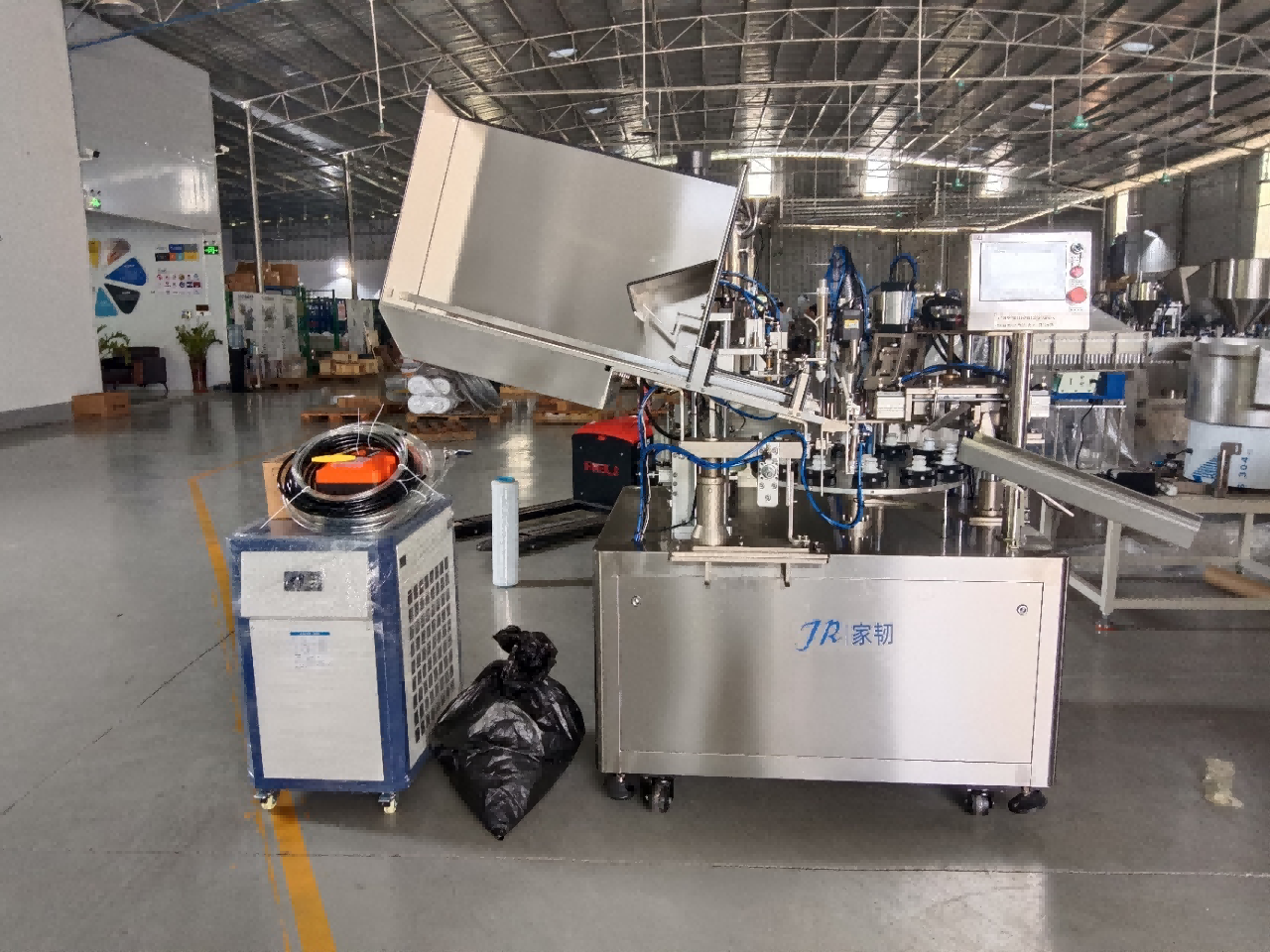
Core Expertise and Stability: Jiaren Automation possesses over 15 years of focused experience in the production of filling and sealing machinery. This longevity suggests deep domain knowledge and a proven ability to adapt to changing industry standards. Their commitment to stable quality is backed by their policy of selecting and integrating well-known international brand electrical components (e.g., Siemens, Schneider, Mitsubishi). This premium component selection drastically reduces the risk of unexpected breakdowns and extends the operational life of the machine.
Flexible Solutions and Support: For manufacturers facing unique constraints, off-the-shelf equipment often isn't enough. Jiaren excels by offering customized production line design, ensuring the machine perfectly integrates into your specific facility and product range. To de-risk your investment, they provide free sample testing, allowing you to validate performance with your exact product and tube before purchase. Critically, their service pledge includes a 1-hour fast response time and a dedicated 24-hour after-sales team service, minimizing costly downtime which is often the biggest hidden cost in manufacturing.
Scalable Investment Options: Recognizing that manufacturers range from startups to market leaders, Jiaren provides an extensive portfolio:
Equipment Range: They offer machines across low, medium, and high price points, ensuring budget constraints don't limit access to quality equipment.
Automation Range: Solutions include both semi-automatic machines for small-scale or highly specialized production and fully automatic systems for mass market efficiency.
Holistic Approach: They can provide a complete set of solutions, from the initial tube loading stage all the way through to cartoning and end-of-line packaging, streamlining your procurement process and ensuring system compatibility.